
Mycoplasma and Ureaplasma
Mycoplasma and Ureaplasma are bacteria that can cause infections in humans. They are often overlooked but can have significant health impacts.
Testing for these bacteria is crucial for accurate diagnosis and treatment.
There are several methods to test for Mycoplasma and Ureaplasma. Each method has its own level of accuracy and reliability.
Understanding these testing technologies is important for healthcare providers and patients alike. It ensures that infections are identified and treated promptly.
This article will explore the testing methods and accuracy for Mycoplasma and Ureaplasma. It aims to educate and inform readers about these important health topics.
Understanding Mycoplasma and Ureaplasma
Mycoplasma and Ureaplasma are unique bacteria because they lack a cell wall. This feature sets them apart, impacting how they respond to antibiotics. It also complicates how infections are detected and treated.
Both these bacteria can be found in the human urogenital tract. While they can coexist harmlessly, they may sometimes cause infections. These infections often target the reproductive and respiratory systems, but they can affect other areas.
Understanding their nature helps to appreciate why testing is so important. Here are some key points about these bacteria:
- Mycoplasma genitalium: A sexually transmitted bacterium causing urogenital infections.
- Ureaplasma: Commonly found in the urogenital tract, potentially part of normal flora.
- Both can be part of the Mollicutes class, known for lacking a cell wall.
Detecting these bacteria can prevent complications. It’s essential for people with symptoms and those at risk of infections. Recognizing their presence early can avoid long-term health issues, making testing vital.
Mycoplasma and Ureaplasma Testing
Timely testing for Mycoplasma and Ureaplasma is crucial for health management.
Testing also plays a vital role in treating infections effectively. Knowing the exact cause guides appropriate antibiotic use, reducing resistance risk. Key benefits of testing include:
- Prevention of long-term health complications.
- Precise treatment selection for infections.
- Early detection, which is crucial for asymptomatic cases.
Without testing, these bacterial infections can silently impact health. Understanding and acting on potential symptoms ensures better health outcomes. Regular check-ups for at-risk groups are therefore recommended.
Mycoplasma and Ureaplasma: Key Differences
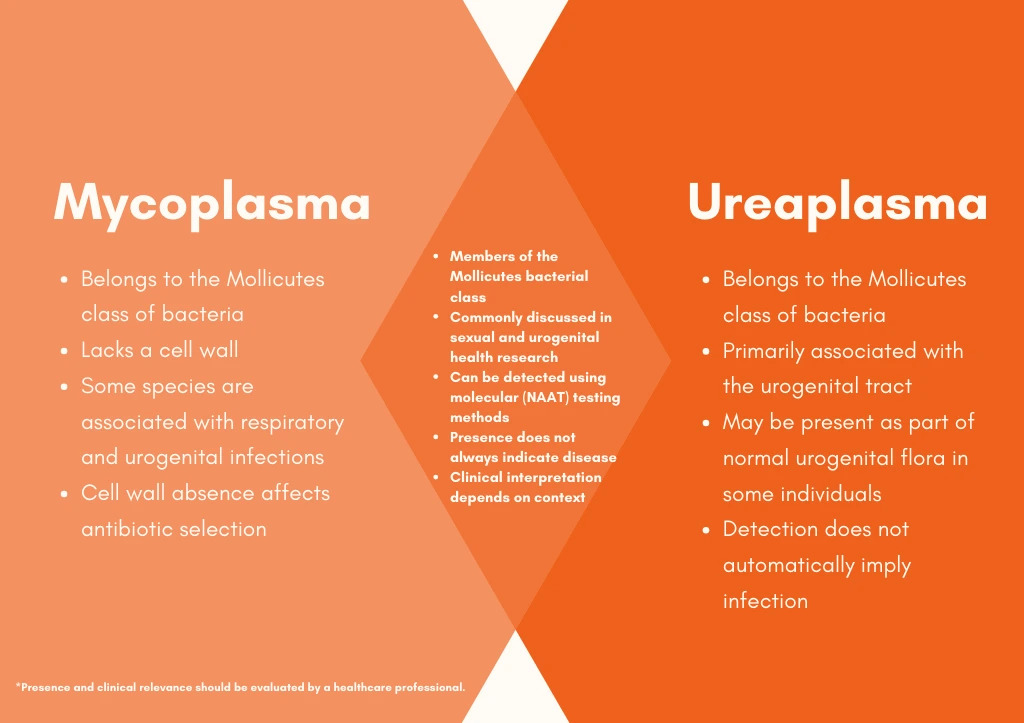
Mycoplasma and Ureaplasma are distinct entities, though they often coexist. Both belong to the Mollicutes class of bacteria. A key difference is their role within the body. Mycoplasma species can lead to respiratory and urogenital infections, whereas Ureaplasma primarily affects the urogenital tract.
Understanding their differences helps in accurate diagnosis and treatment. Mycoplasma lacks a cell wall, making it resistant to certain antibiotics. Ureaplasma can be part of the normal flora, sometimes complicating infection identification. Key distinctions include:
- Mycoplasma can cause respiratory infections.
- Ureaplasma is often part of normal flora.
- Different antibiotic resistances require distinct treatments.
Mycoplasma Testing Methods: An Overview
Testing for Mycoplasma involves several techniques. Each method has its benefits and drawbacks. The complexity of these bacteria requires varied approaches to detection.
Nucleic acid amplification testing is the most precise option. It is praised for its sensitivity and ability to identify the genetic material of the bacteria. In contrast, culture tests require the growth of bacteria in a lab, which is often slower and less reliable.
Serological testing examines antibodies but might not reflect a current infection. These methods help diagnose and manage infections effectively. The choice of method should depend on the clinical situation and available resources.
Key Mycoplasma testing methods include:
- NAAT
- Culture tests
- Serological tests
Nucleic Acid Amplification Testing: The Gold Standard
NAAT Also known as PCR Testing stands out as the gold standard for Mycoplasma detection. Its precision surpasses other methods, providing reliable results quickly. NAAT identifies the presence of Mycoplasma DNA, making it highly accurate.
Health providers prefer this method for its speed and sensitivity. Rapid results facilitate prompt treatment, improving patient outcomes. Despite higher costs, the accuracy and efficiency justify the investment.
NAA Testing advantages:
- High sensitivity and specificity
- Quick result turnaround
- Detects bacterial DNA accurately
Culture and Serological Tests
Culture and serological tests play key roles in Mycoplasma diagnosis. Cultures involve growing the bacteria, which may take time and has variable sensitivity. They remain useful when PCR is unavailable.
Serological tests detect antibodies indicating a past or current infection. However, results may not be as reliable for acute infections. Combining methods can offer comprehensive insights into infection status.
Advantages of these methods include:
- Culture tests are helpful for certain bacterial load assessments.
- Serological tests can indicate previous exposure.
- Can complement PCR for a complete picture.
Mycoplasma Genitalium Testing: Special Considerations
Mycoplasma genitalium is a unique challenge in the landscape of sexually transmitted infections. Its subtle symptoms often lead to underdiagnosis. Testing for Mycoplasma genitalium is crucial to accurately diagnose and treat affected individuals.
The NAAT method remains the most effective for detecting Mycoplasma genitalium. It ensures precise identification of this elusive bacterium. Quick and reliable results lead to timely treatment decisions.
Ureaplasma Testing: When and How
Ureaplasma, found in the urogenital tract, sometimes causes infections. Testing becomes essential as early detection avoids complications.
Ureaplasma testing often accompanies Mycoplasma testing due to symptom similarities. NAAT is the preferred method for its sensitivity and accuracy. It helps in accurately identifying the infection.
Testing leads to targeted treatment and prevents long-term health issues. Always consult healthcare professionals for appropriate guidance and testing options.
Factors Affecting Mycoplasma Testing Accuracy
The accuracy of mycoplasma testing greatly depends on the type of test and sample quality. Sample collection must be precise to ensure reliable results. Incorrect handling can lead to inaccuracies.
The bacterial load in the sample also influences test outcomes. Low bacterial presence may result in false negatives. This issue underscores the need for expert sample collection.
Laboratory protocols and equipment precision further affect testing. Variations between labs can lead to inconsistent results, highlighting the importance of selecting reputable facilities. Each step, from collection to analysis, impacts overall accuracy.
Potential causes of testing inaccuracies include:
- Poor sample quality
- Variance in laboratory practices
- Low bacterial load in samples
- Cross-contamination issues
For healthcare practitioners, staying updated on testing advancements can mitigate inaccuracies. Collaboration with accredited labs ensures best practices are followed for mycoplasma detection.
Advances in Testing Technology
Recent advancements in testing technology have significantly improved the detection of mycoplasma and ureaplasma. Cutting-edge techniques enhance both sensitivity and speed. This progress leads to more accurate and timely diagnoses.
New methods, such as automated NAAT systems, streamline processes and reduce human error. Additionally, point-of-care testing possibilities are emerging, offering quick results outside laboratory settings.
Key advances in testing include:
- Automated systems
- Enhanced sensitivity and speed
- Point-of-care testing options
These innovations not only improve patient outcomes but also expand access to accurate testing globally. Continuous research promises further refinements.
Choosing the Right Test and Laboratory
Selecting the appropriate test and laboratory is crucial for accurate results. Different labs may vary in their capabilities and technology. It’s essential to verify their certifications and track record.
Key considerations include:
- Lab certifications
- Type of testing technology used
- Experience with mycoplasma and ureaplasma testing
Choose a reputable lab with modern equipment to ensure precise and reliable test outcomes. Consult healthcare professionals for recommendations tailored to your needs.
The Future of Mycoplasma and Ureaplasma Testing
Emerging technologies promise to enhance testing speed and accuracy. Research focuses on developing cost-effective and accessible tests. Future advancements may include:
- Rapid point-of-care testing devices
- Improved sensitivity and specificity
- Integration with digital health platforms
These innovations aim to make testing more efficient and accessible for all. As part of our mission to make early detection more accessible and convenient, we offer at home testing for mycoplasma and ureaplasma.
Conclusion: The Importance of Accurate Testing
Accurate testing for Mycoplasma and Ureaplasma is crucial in preventing health complications. It ensures timely diagnosis and treatment, reducing the risk of transmission.
Advanced technologies and awareness can significantly enhance testing accuracy. Prioritizing accurate and accessible tests is essential for improving public health outcomes.