NATs vs Antigen and Antibody Tests
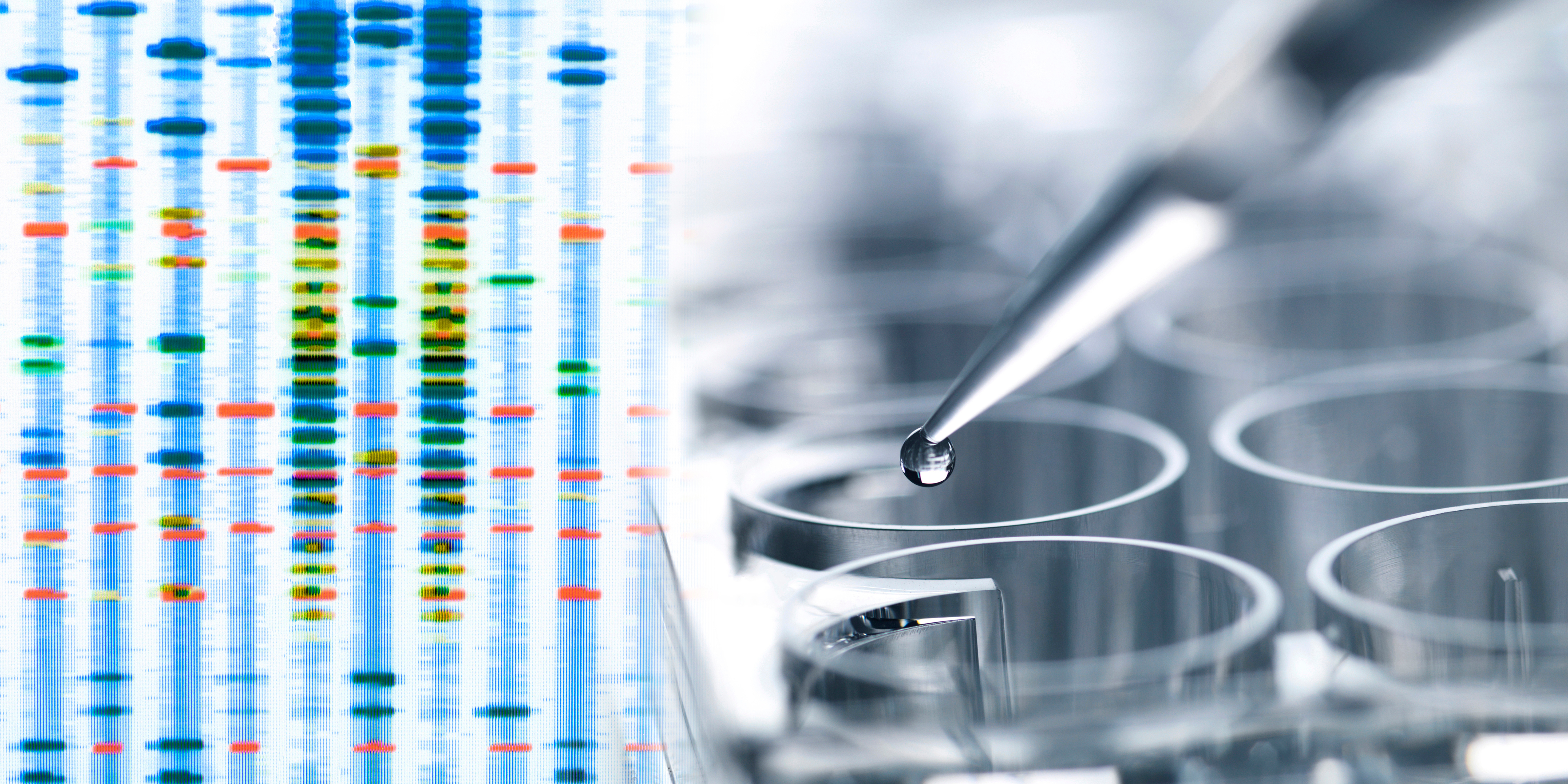
Nucleic acid testing (NAT) is the fastest and most accurate form of testing that currently exists to find active viral, bacterial or fungal infections. It is also the only way to get information on your personal genetics. At Genome-Based Diagnostics we do exclusively NATs, specifically, we do nucleic acid amplification testing, also known as NAATs. These are the different types of tests that are commonly used and some time frames as an example using HIV:
Antibody tests
- look for antibodies in a person’s blood or oral fluid. Antibody tests can take 23 to 90 days to detect HIV after exposure. Most rapid tests and the only FDA-approved self-tests are antibody tests. This is the most common form of testing done in labs in the United States. Anitbody tests can can detect HIV approximately 23 to 90 days after exposure[1].
Antigen and antibody tests
- look for both antibodies and antigens. Antibodies are produced by a person’s immune system when they’re exposed to foreign viral/bacterial/fungal infections. Antigens are foreign substances that cause a person’s immune system to activate. Antigen/antibody tests are common and are the next most common version of the testing done in labs and are common in the United States. If you have had a test recently that is described as a “4th generation” test, it is an antigen/antibody test. If a person has HIV, an antigen called p24 is produced before antibodies develop. There is also a rapid antigen/antibody test available that is done with a finger stick. An antigen/antibody test performed by a lab on blood from a vein can usually detect HIV 18 to 45 days after exposure. Antigen/antibody tests done with blood from a finger for HIV can detect an infection 18 to 90 days after exposure[1].
Nucleic acid tests (NAT)
- look for the actual pathogen in any type of human sample. This is the most accurate form of testing and is the gold standard for testing. A NAT can usually detect HIV 10 to 33 days after exposure[1].
Another benefit of nucleic acid testing is that you can avoid false positives, as is common with either antibody or 4th generation antigen/antibody tests and can only happen with contamination with NATs. In one study, antibody HIV screens produced 9 false positives out of 99 samples (~9%), and the 4th generation antigen/antibody tests produced 2 false positives out of 99 samples (~2%). In other words, those false positives are people who tested positive for HIV when they were not. Additionally, in the same study, the 4th generation antigen/antibody testing misidentified 5 negative patients of 24 positives (~21%), and the antibody testing produced 10 misidentified negative patients of the 24 positives uncovered by NAT testing (~42%)[2].
In summary, NATs actually work, standard testing works, but not as well as you think. If you want a negative result when you think you may be positive or if you want to be stressed out by a positive test when you are actually negative, use a 4th or 3rd generation HIV test. If you’d like to know your actual status, get your blood drawn and sent out for a NAT test and have it sent to Genome-Based Diagnostics for the cheapest, fastest, most accurate results. We also do blood spot testing via mail which is still more accurate than standard tests, but the window for detection isn’t as early after infection, please keep this in mind when ordering your test.
Sources:
[1] CDC: HIV Testing https://www.cdc.gov/hiv/testing/index.html
[2] Comparison of 4th-Generation HIV Antigen/Antibody Combination Assay With 3rd-Generation HIV Antibody Assays for the Occurrence of False-Positive and False-Negative Results https://pubmed.ncbi.nlm.nih.gov/25918186/
Any Questions? Connect With Us!


Check Out Our Latest Posts:
- Mycoplasma and Ureaplasma Explained: Testing, Technology, and Accuracy
- Benefits of Preventive Testing for Health

- Advanced Non-Invasive NAAT Testing: Revolutionizing Diagnostics